Call Us Today! (607) 773-2266 / (607) 240-2404 | For post-accident response call (607) 414-2980

Category: Healthcare

Healthcare Compliance Screening Best Practices Every Organization Should Follow
Healthcare compliance screening best practices protect patients, organizations, and federal healthcare programs. Healthcare employees have direct access to patients, sensitive data, and government-funded services. Because of this, hiring decisions carry significant risk. A single hiring mistake can create serious consequences. An employee with an undisclosed criminal history, an active OIG exclusion, or falsified credentials can expose an organization to regulatory penalties and patient safety risks. Many organizations assume basic background checks are enough. However, healthcare compliance screening requires a much deeper process. This guide explains the healthcare compliance screening best practices every organization should follow. It also shows how Evolution

Compliance Delays in Trucking and Healthcare: The Hidden Cost of Slow Onboarding
Trucking and healthcare operate in different environments. However, both industries share the same challenge. Workers must pass strict compliance checks before they begin working. Drivers cannot operate commercial vehicles until regulatory checks are complete. Similarly, healthcare workers cannot interact with patients until credentialing and background screening are verified. Most regulated onboarding processes include: Each requirement protects safety and regulatory compliance. However, delays in any step slow the entire hiring pipeline. Every day a qualified candidate waits in the compliance process is a day the organization operates below capacity. Compliance Delays in Trucking and Healthcare: Impact on Driver Hiring The trucking
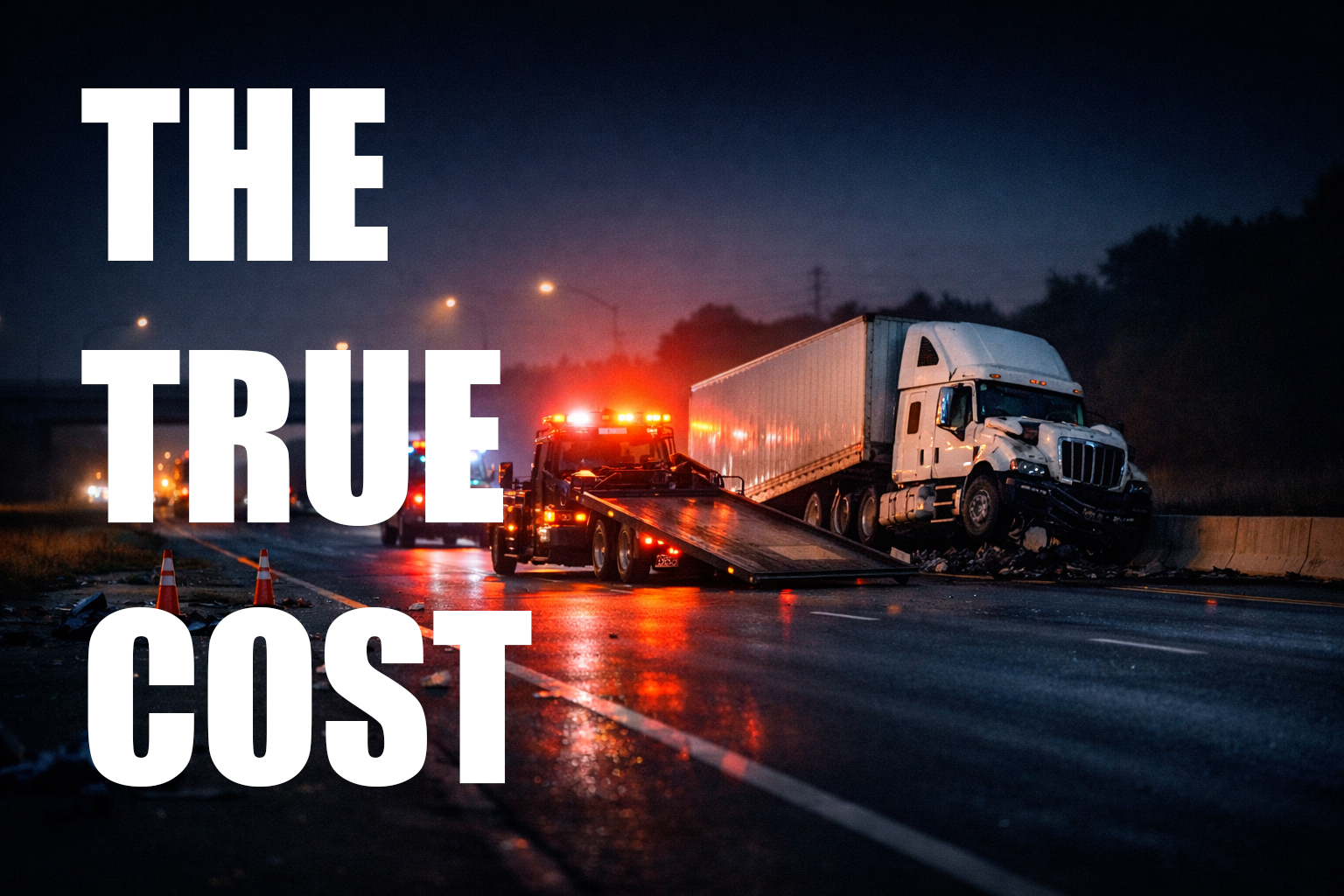
The True Cost of a Bad Hire in Trucking and Healthcare
Bad hires in trucking and healthcare cost far more than salary. Learn about insurance spikes, liability, and how screening prevents disasters.